
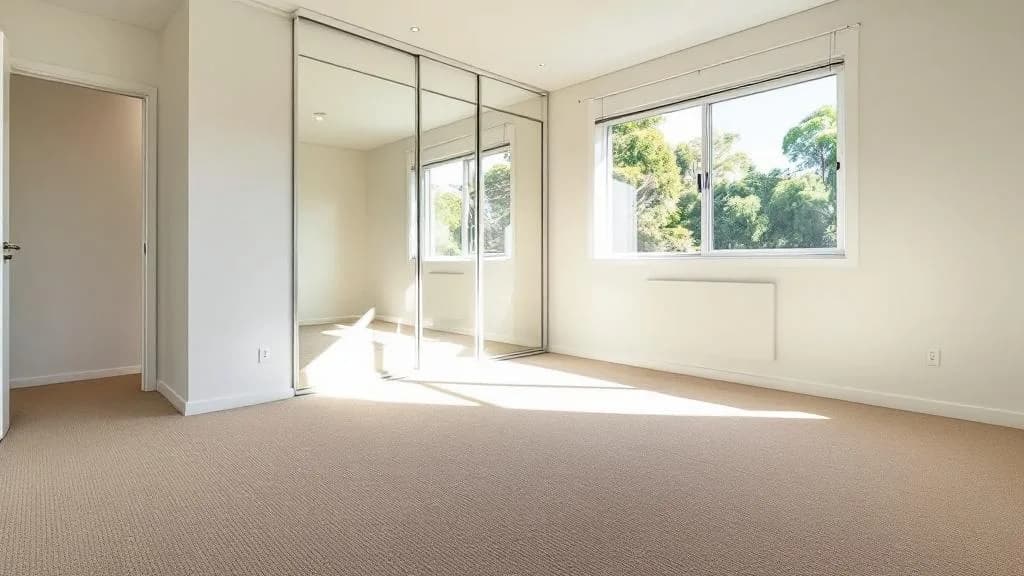
The NSW Residential Tenancies Act 2010 sets the legal baseline: you must return a rental property in the same condition it was in at the start of your tenancy, fair wear and tear excepted. But what "the same condition" means in practice (what a property manager is actually looking at when they walk through the property) is more specific than that. Understanding what agents check, and where cleans often fall short, is the most direct way to protect a bond.
The legal standard in NSW
Under NSW RTA 2010, s.51, a landlord cannot require a higher cleaning standard than what was present at entry. The baseline is the ingoing condition report, not showroom presentation. Keep a copy of your condition report throughout your tenancy. It's the document the inspection is measured against.
How the inspection actually works
Property managers usually carry out the final inspection soon after you hand back the keys. They work through the property with the ingoing condition report in hand, comparing current condition to the documented entry state. They are looking for items that deteriorated beyond fair wear and tear during the tenancy, not judging the property against an abstract standard of cleanliness.
In practice, a short list of items is easy to miss in a clean and easy to spot at an inspection.
The most common fail points
Kitchen: oven and rangehood
The oven interior (racks, door glass, base, and door seals) is one of the most commonly flagged items at end-of-lease inspections. Baked-on grease on the oven floor or brown residue on the door glass is likely to be noted, even when every other room is acceptable. Rangehood filters and the underside of the rangehood are worth checking too: grease buildup is visible from below and easy to spot.
Bathrooms: shower screen and grout
A cloudy shower screen or visible soap scum is one of the most common bathroom fail points. Mould on the shower seal is easy to overlook during a DIY clean and easy to spot at inspection. If grout appears discoloured, a specialist mould treatment may be needed beyond a standard clean.
Carpets: staining and steam cleaning
Carpet condition is a significant element of most end-of-lease inspections. In NSW you must leave the property reasonably clean, having regard to its condition at the start of the tenancy (check your entry condition report). A lease can only require professional carpet cleaning in limited cases, for example, an additional term where pets were kept. Check your agreement or NSW Fair Trading. New staining is flagged regardless of whether a clean is required; pre-existing staining documented in the entry report is not claimable by the landlord.
Carpet steam cleaning is almost universally a separate quoted service, not included in a standard bond clean. Budget for it separately and confirm in writing before your cleaner arrives. For current Shire pricing, see the carpet cleaning cost guide.
Windows: tracks and sills
Window tracks are easy to overlook entirely. A finger run along the track during an inspection shows dirt and dead insects immediately. Window sills, particularly the top surface, accumulate dust that's noticeable on a white-glove check. Interior glass is standard; exterior windows are usually a separately quoted add-on and are not automatically required unless the entry report noted them as clean.
Skirting boards and door frames
Skirting boards are easy to miss in a DIY clean. The top edge accumulates a visible dust line that is easy to spot at inspection. Door frames and handles are a secondary check: marks and scuffs from normal use are fair wear and tear, but built-up grime on handles is not.
What landlords cannot demand
- A professional clean, except in limited cases. In NSW you must leave the property reasonably clean, having regard to its condition at the start of the tenancy (check your entry condition report). A lease can only require professional carpet cleaning in limited cases, for example, an additional term where pets were kept. Check your agreement or NSW Fair Trading.
- Removal of fair wear and tear. Minor scuffs on walls, slight carpet compression from furniture, and surface fading from sunlight are all fair wear and tear, not cleaning failures.
- Cleaning to a higher standard than the ingoing condition. If the entry condition report noted pre-existing marks or wear, those items cannot be claimed at exit.
Timing your clean
Arrange your cleaner early enough to check the work yourself and fit in a return visit before you hand back the keys.
For end-of-lease cleaning in specific suburbs, see end-of-lease cleaning in Miranda and end-of-lease cleaning in Cronulla. For the full service overview, see the end-of-lease cleaning service page.
Find a local cleaner in the Sutherland Shire
In the Sutherland Shire? We know your time matters. Leave your enquiry with us and we'll make it our priority to get you a quote from a local cleaner.
Find a bond cleanerThis site matches enquiries with independent local carpet cleaners. We do not employ cleaners directly.
Get a Shire quote
In the Sutherland Shire? We help you get a quote from a local cleaner. They quote you directly.
Frequently asked
Can my landlord insist on a professional bond clean in NSW?
Not automatically. In NSW you must leave the property reasonably clean, having regard to its condition at the start of the tenancy (check your entry condition report). A lease can only require professional carpet cleaning in limited cases, for example, an additional term where pets were kept. Check your agreement or NSW Fair Trading.
What happens if the property manager is not satisfied with the clean?
Ask the agent for the specific items in writing, then contact the cleaner about them, before you engage a cleaner, ask whether they will come back to fix items the agent flags. Bond claims are settled between you and the landlord or agent. If you disagree, NSW Fair Trading offers free dispute resolution, and NCAT decides disputed claims, not the cleaner. Keep your tax invoice, written communication from the agent, and photos of the property after cleaning as evidence.
Does an end-of-lease clean include carpet steam cleaning in NSW?
Usually not: carpet steam cleaning is almost always a separately quoted add-on because the price depends on room count and carpet condition. Always confirm in writing whether it's included, and ask for an all-in total before your cleaner arrives. In Sutherland Shire rentals, budget for it separately.
How far in advance should I arrange a bond cleaner in the Sutherland Shire?
Arrange your cleaner at least 5–7 business days before your key handover date. That leaves time to compare quotes, confirm the scope in writing, and fit in a return visit if anything is flagged at inspection.
What is fair wear and tear under NSW tenancy law?
Fair wear and tear covers deterioration that results from normal use of the property over time: minor scuffs on walls, slight carpet compression from furniture, surface fading, and small marks on benchtops from normal cooking. It does not cover damage caused by carelessness, misuse, or neglect. NSW Fair Trading publishes guidance on what constitutes fair wear and tear. It's worth reviewing before your final inspection.