
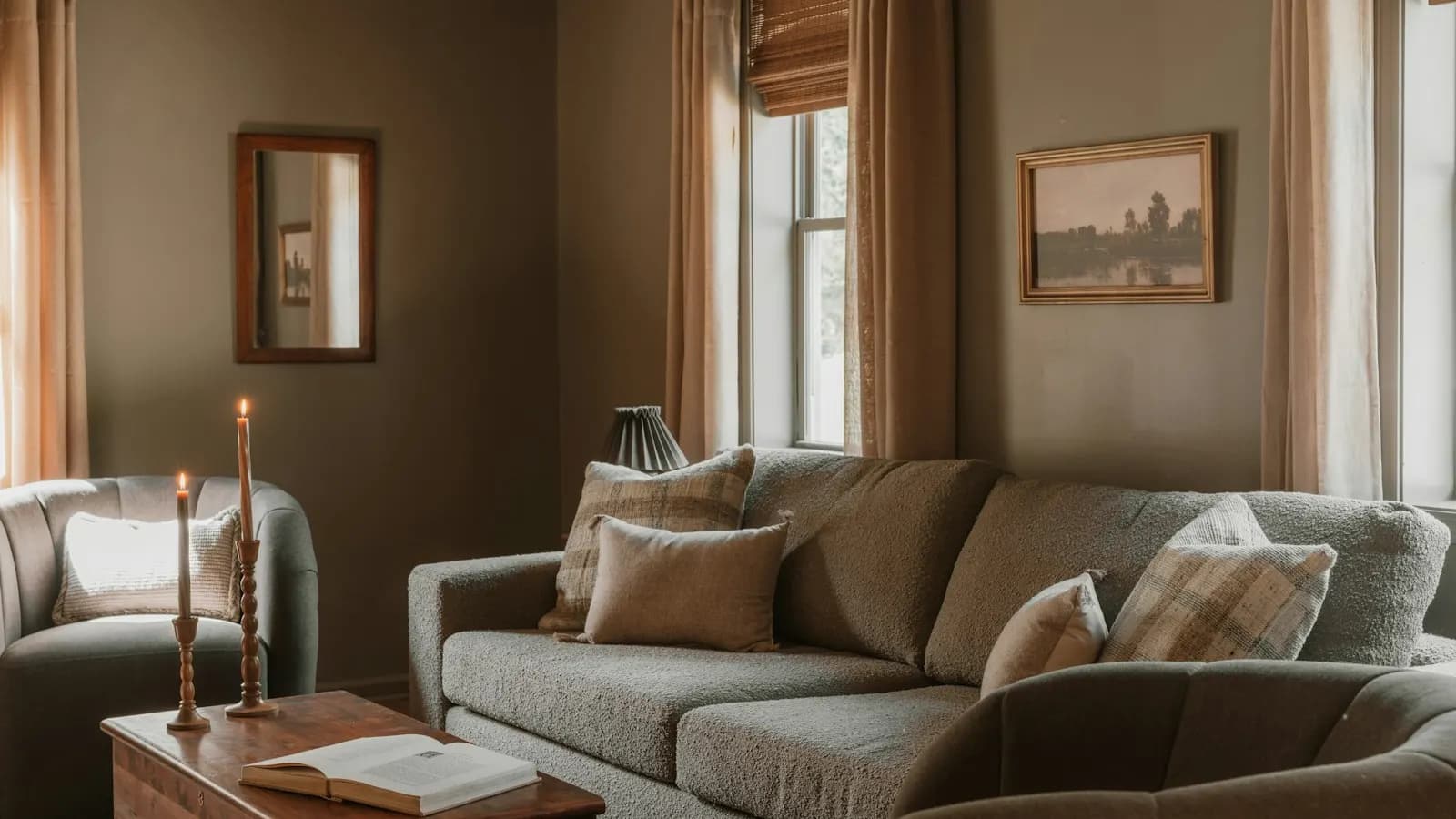
Upholstery & Couch Cleaning Sutherland Shire
Find a local upholstery cleaner: sofas, armchairs, dining chairs and mattresses matched to your suburb.
We know your time matters. Leave your enquiry with us and we'll make it our priority to get you a quote from a local upholstery cleaner. Read how matching works.
Local Upholstery Cleaners Across the Shire
A professional upholstery and couch clean refreshes the look and smell of your lounge without replacement cost, and in most cases extends the life of quality furniture by years. Finding the right cleaner is the hard part. We make it simple: fill in the form and we help you get a quote from a local upholstery cleaner matched to your suburb.
The Sutherland Shire presents specific upholstery-cleaning needs that vary by suburb. Waterside homes in Oyster Bay, Sylvania and Port Hacking face elevated humidity from the Georges River and Port Hacking: fabric sofas in ground-floor or poorly-ventilated rooms can develop mould and musty odour faster than inland properties. Bush-adjacent homes in Engadine and Loftus, on the edge of the Royal National Park, accumulate eucalyptus pollen and fine bush dust in upholstery fabric over spring. Established owner-occupier homes across Gymea, Menai and Jannali tend to have quality fabric lounges that are worth professional maintenance rather than early replacement. Rental properties near Sutherland Station may need an end-of-lease upholstery clean before the exit inspection.
Ask the cleaner to assess your fabric type (microfibre, linen, velvet, leather) and select the appropriate method before quoting. Fabric sofas are typically steam-extracted; leather gets a clean-and-condition treatment.
Looking for couch or sofa cleaning in the Sutherland Shire?
Also known as couch cleaning or sofa cleaning: upholstery cleaning covers fabric lounges, sofas, armchairs, dining chairs and ottomans across the Sutherland Shire. Whether your property manager has asked for a "couch clean" or you want your sofa refreshed before guests arrive, we help you get a quote from local cleaners for fabric and leather upholstery across the Shire.
Understanding upholstery care codes
Most upholstered furniture has a care code tag, usually found under a cushion or on the underside of the frame. The code tells the cleaner which method is safe for your fabric.
| Code | Meaning | Method used |
|---|---|---|
| W | Water-based cleaning only | Hot water extraction (steam cleaning) |
| S | Solvent-based cleaning only: no water | Dry-solvent or dry foam cleaning |
| WS or SW | Either water-based or solvent safe | Cleaner selects best method for the soiling type |
| X | Vacuum only: no wet or solvent cleaning | Dry brush and vacuum only; no liquid treatment |
Ask the cleaner to check your care code before work starts and select a method that suits your specific fabric. If no care code is present, ask for a small inconspicuous area to be tested first.
What Upholstery Cleaning Covers
Lounge suites & sofas
$120–$190 for a 3-seater (indicative 2026)Steam extraction or dry foam methods are matched to the fabric type: microfibre and synthetic blends are typically steam-extracted, while delicate or loose-weave fabrics suit dry foam. A 3-seater lounge usually takes 45–90 minutes to clean.
Dining chairs & ottomans
$60–$110 per ottoman (indicative 2026)Individual seat pads, dining chair backs and ottomans receive spot pre-treatment followed by a full upholstery clean. Items with removable covers can often be wet-cleaned more thoroughly.
Mattresses
Quoted on inspectionSteam extraction removes dust mites, surface staining and odours from mattresses. Most single mattress jobs take under an hour; queen and king sizes take a little longer. Ask whether deodorising is included.
Specialty fabrics — leather, velvet, microfibre
Varies: ask for a fabric-specific quoteLeather needs a clean-and-condition treatment rather than wet extraction. Velvet and tightly woven microfibre need low-moisture methods to avoid pile damage. Ask the cleaner which method suits your fabric before you go ahead: costs are usually slightly higher for specialty care.
What Is and Isn't Covered
Covered by upholstery cleaning
- Fabric lounges and sofas (microfibre, linen, cotton blends)
- Leather and vinyl sofas. Clean and condition treatment
- Armchairs and accent chairs
- Dining chairs and seat pads
- Ottomans and footstools
- Mattresses (dust mites, stains, odours)
- Car seats (check with cleaner)
- Pet-hair pre-treatment before wet extraction
Not included
- –Structural repairs (broken frames, sagging springs)
- –Re-upholstery or fabric replacement
- –Antique or museum-grade pieces: specialist referral recommended
Confirm scope with your cleaner before work starts: coverage varies by cleaner and fabric type.
Upholstery Cleaning Prices in Sutherland Shire
These are indicative 2026 price ranges from local upholstery cleaners. The cleaner sets the final price after assessing your fabric type, item size, and soiling level.
| Item | Typical range |
|---|---|
| Armchair / single seat | $60 – $100 |
| 2-seater sofa | $90 – $150 |
| 3-seater sofa | $120 – $190 |
| 3+2 lounge suite | $200 – $320 |
| Ottoman or chaise | $60 – $110 |
| Dining chair (per item) | Ask for a quote |
| Mattress (queen/king) | Ask for a quote |
Indicative 2026 ranges: each independent cleaner sets their own price after assessing fabric type, size, and soiling. See the 2026 cleaning cost guide.
Why find a local upholstery cleaner through us?
Fabric-specific methods
Microfibre, linen, velvet or leather. Ask the cleaner to match the method to your upholstery.
Allergen reduction
Deep extraction can help lift dust mites, pollen and pet dander: common asthma triggers.
Ask about deodorising
Ask whether deodorising is included in the quote so your lounge smells as fresh as it looks.
Ask for a colour test
A good cleaner tests treatments on a hidden area first.
Couch Cleaning, Sofa Cleaning and Lounge Cleaning: What to Expect
Couch cleaning, sofa cleaning and lounge cleaning all refer to the same service: the terminology varies by household and era. Whatever you call it, the process starts with a fabric and soiling assessment. Ask the cleaner to check the care label (if visible), test a small inconspicuous patch, and choose the method that best suits your upholstery before any work starts.
Fabric sofas and lounges are typically cleaned by hot-water extraction (steam cleaning): a pressurised rinse-and-extract cycle that lifts embedded dirt, pet dander and odour from the fibres without leaving soapy residue behind. Dry foam is used where wet methods would saturate the cushion fill or damage a delicate weave. Leather and vinyl lounges are treated with a specialist clean-and-condition product that removes body oils and surface grime without drying out the material.
Most couch cleaning visits take 60–120 minutes for a standard lounge suite. Your furniture is typically dry to touch within 4–6 hours, depending on ventilation and weather: windows open or a fan running help. Ask the cleaner for a realistic drying window for your specific fabric and the weather on the day.
Upholstery Cleaning Methods Explained
Ask the cleaner to select the method after assessing your fabric and soiling in person, not from a price list.
Hot-water extraction (steam cleaning)
Best for: Polyester, microfibre, cotton blends, synthetic velvet
A heated rinse solution is injected into the fabric at low pressure, then immediately vacuumed out along with loosened soil. Effective at removing pet odour, food stains and dust mites. Most common method for fabric sofas.
Dry foam / encapsulation
Best for: Delicate weaves, wool blends, fabrics sensitive to over-wetting
A low-moisture foam is worked into the fibres, then vacuumed away once dry. Lower drying time (typically under 2 hours, depending on ventilation and weather) makes this a good option when you need the furniture back in use quickly.
Leather clean and condition
Best for: Full-grain, semi-aniline and pigmented leather; bonded leather
A pH-balanced cleaner removes body oils and surface grime without stripping the finish. A conditioner is then applied to restore suppleness. Water-based steam extraction is not suitable for leather. It dries out the material and can cause cracking over time.
Dry cleaning (take-away)
Best for: Velvet, silk, heavily embroidered fabrics, antique upholstery
Some specialty fabrics cannot be wet-cleaned safely in situ. The cleaner may recommend removing cushion covers for off-site dry cleaning. This is less common for standard sofas but relevant for heirloom or designer pieces.
What Happens on the Day
When the cleaner arrives, ask them to inspect each piece of furniture before starting (fabric type, visible staining, pet hair coverage and any manufacturer care symbols) and to tell you about any risk of colour run or fibre distortion before they start.
Pre-treatment is applied to stained areas and allowed to dwell for a few minutes. For pet-hair-heavy sofas, a dry rubber brush-out is often done first to lift embedded hair before wet extraction begins: hair embedded in the weave can block the extraction head if skipped. The main cleaning pass follows, with a final inspection pass to catch any missed spots.
Ask for a written quote before work starts and a recommended drying window before anyone sits on the furniture. Many cleaners use boot covers and drop sheets. Ask if that matters to you.
Pet Hair, Stains and Odour: What Cleaning Can and Cannot Do
Professional upholstery cleaning can remove most everyday stains (food, drink spills, general grime, surface mould from damp environments) and neutralise most household odours including pet smell. Deeply set pet urine odour (where the urine has migrated into the cushion fill) may require specialist enzyme treatment or cushion replacement; ask the cleaner to advise on this in person.
Pet hair embedded in tight fabric weaves is partially lifted by wet extraction but often needs a pre-treatment pass with a rubber or bristle brush first. Tell the cleaner about your pets when you enquire so they allow enough time and bring the right pre-treatment tools.
Old set stains (ink, paint, red wine that has been treated with home products) are more difficult. Some are partially removable; others are permanent. A good cleaner will give you an honest assessment before starting and will not promise outcomes they cannot deliver.
How It Works
- 1
Fill in the form: your suburb, what needs cleaning, and any fabric or soiling details you can share.
- 2
We find a local upholstery cleaner in your suburb and pass on your enquiry.
- 3
The cleaner contacts you directly, assesses your fabric type and quotes. You decide whether to go ahead.
Learn more about how it works.
Ready to find a local upholstery cleaner?
We know your time matters. Leave your enquiry with us and we'll make it our priority to get you a quote from a local upholstery cleaner.
Upholstery Cleaning FAQs
How long does it take to clean a 3-seater lounge?
Most 3-seater lounges take 45–90 minutes to clean. The cleaner factors in fabric type, soiling level and whether pre-treatment is needed for stains or pet odour. Drying to touch typically takes 4–6 hours, depending on ventilation and weather.
Can leather sofas be cleaned the same way as fabric?
No, leather needs a clean-and-condition treatment rather than wet extraction. Water-based steam cleaning can dry out leather and cause cracking. Ask the cleaner to check the upholstery type before any work starts.
Is upholstery cleaning worth it compared with buying a new couch?
Usually yes: a professional clean costs a fraction of replacement and can add years to a quality lounge. Cleaning is most cost-effective when the frame and cushion fill are still in good condition and only the fabric is soiled.
How often should I get my sofa cleaned?
Most sofas benefit from a professional clean every 12–18 months. Households with pets, young children or heavy use should consider every 6–12 months. Mattresses benefit from a clean every 6–12 months.
How much does upholstery cleaning cost in the Sutherland Shire?
Indicatively $90–$150 for a 2-seater sofa, $120–$190 for a 3-seater and $200–$320 for a 3+2 lounge suite (2026): each independent cleaner sets their own price. Ask the cleaner for a written quote before work starts.
Will steam cleaning remove pet hair from my sofa?
Steam extraction is effective at lifting embedded pet dander and odour, but fine pet hair embedded in fabric weaves often needs a dry pre-treatment brush-out first. Ask the cleaner about pre-treatment when you enquire, especially if there is visible hair.
Can microfibre be steam cleaned?
Yes, microfibre is well-suited to steam extraction when done correctly. Ask the cleaner to check the care label and test a small inconspicuous area first, and to use a low-moisture method if the fabric is sensitive.
How long until I can sit on my sofa after an upholstery clean?
Fabric sofas are typically dry to the touch within 4–6 hours after a steam extraction clean, depending on fabric thickness, ventilation and weather. Thick chenille or heavily soiled sofas can take 6–8 hours. Speed up drying by opening windows or running a ceiling fan: sitting or putting cushions back before the fabric is fully dry can re-embed moisture and lead to musty odour. Ask your cleaner for the expected drying window for your specific fabric.
Can upholstery cleaning remove pet urine smell from a sofa?
Often, enzyme pre-treatment at saturation depth is the effective method for pet urine odour in upholstery. Uric acid crystals embed in the fabric and cushion fill where surface deodorising sprays cannot reach them. Enzyme solution is applied at saturation depth, allowed to dwell so the enzymes can break down the uric acid compounds, and then extracted. For severe or repeat soiling that has reached the foam cushion fill, the cushion may need to be treated separately. Ask the cleaner to assess this on arrival. A single enzyme treatment visit often resolves sofa urine odour; the exception is repeated soiling where the foam has fully absorbed urine over many incidents.
Do I need to move furniture before the cleaner arrives?
Usually not: most cleaners work around your existing layout. However, having clear access on all sides of large sofas speeds up the job. Confirm access requirements with the cleaner when you enquire.
Can upholstery cleaning be bundled with carpet cleaning?
Yes, bundling upholstery and carpet cleaning in a single visit is common and saves on the call-out cost. Let the cleaner know when you enquire so they can allow the appropriate time.
Which suburbs do you cover for upholstery cleaning?
We help people get quotes from local upholstery cleaners across the Sutherland Shire, including Cronulla, Miranda, Caringbah, Kirrawee, Engadine, Jannali, Gymea, Sutherland, Menai, Sylvania, Oyster Bay, Port Hacking, Loftus, Woolooware and surrounding suburbs. Submit the form with your suburb and we will do our best to find a cleaner near you.
What is the difference between upholstery hot-water extraction and dry extraction?
Hot-water extraction (sometimes called steam cleaning) injects a water and detergent solution into the fabric under pressure, then extracts the dissolved soiling and moisture. It is the most effective method for deeply embedded soiling, pet urine and food stains, and leaves fabric damp for several hours (typically 4–6, depending on ventilation and weather). Dry extraction uses a low-moisture compound or dry-foam method that encapsulates soiling and is removed by vacuuming: drying time is typically under an hour. Dry extraction is suited to lightly soiled upholstery, delicate fabrics, or situations where rapid re-use is needed (holiday rental changeovers, for example). Ask the cleaner to recommend a method based on fabric type, soiling level and your timeframe.
Can upholstery cleaning help with allergies or asthma?
Yes, professional upholstery cleaning removes dust mite debris, pet dander, pollen and mould spores from fabric sofas and chairs, all of which are significant allergen sources. Dust mites thrive in the warm, humid environment of fabric upholstery and their droppings are a primary trigger for house dust mite allergy. High-extraction cleaning removes allergens from the deeper layers of the fabric and cushion fill that vacuuming cannot reach. For allergy-sensitive households, asking the cleaner to use a fragrance-free, low-VOC cleaning solution reduces chemical irritant exposure during and after cleaning.
How do I know if my sofa fabric is safe for professional cleaning?
Check the care code tag under the sofa cushion or on the base of the frame. W means water-based cleaning (steam or hot-water extraction) is safe. S means solvent (dry) cleaning only: no water. WS means either method is safe. X means vacuum only, no wet cleaning at all. If there is no tag, mention the fabric description (colour, texture, approximate age) when you enquire. Ask the cleaner to identify the fabric type on arrival and confirm the right method before starting. For antique, hand-embroidered or high-value pieces, always ask for a patch test on a hidden area first.
Upholstery Cleaning by Suburb
Suburbs with their own upholstery cleaning page: enquiries are welcome from every Sutherland Shire suburb.
Related services
Related articles
Upholstery Cleaning in Sutherland Shire: What Works and When to Find a Pro
Methods, fabric care codes, cost ranges and frequency guide for sofas, lounges and armchairs.
Read moreHow Often Should You Professionally Clean Your Couch?
The evidence on sofa cleaning frequency, by household type, pet ownership and fabric.
Read moreHow to Choose an Upholstery Cleaner in the Sutherland Shire
5 fabric-saving checks to make before you engage a couch cleaning service: care codes, method matching, and what to ask.
Read moreDust Mites in Carpet: What Cleaning Actually Reduces Them
Which cleaning methods reduce dust mites (and which do not) for allergy-prone households.
Read moreFind a local upholstery cleaner in your suburb
We know your time matters. Leave your enquiry with us and we'll make it our priority to get you a quote from a local upholstery cleaner. Read how matching works.
Find an Upholstery Cleaner
We know your time matters. Leave your enquiry with us and we'll make it our priority to get you a quote from a local upholstery cleaner.
Prefer to talk?
Tell us your suburb and what you need cleaned and we will look for a local upholstery cleaner who can help.
(02) 5301 5397