
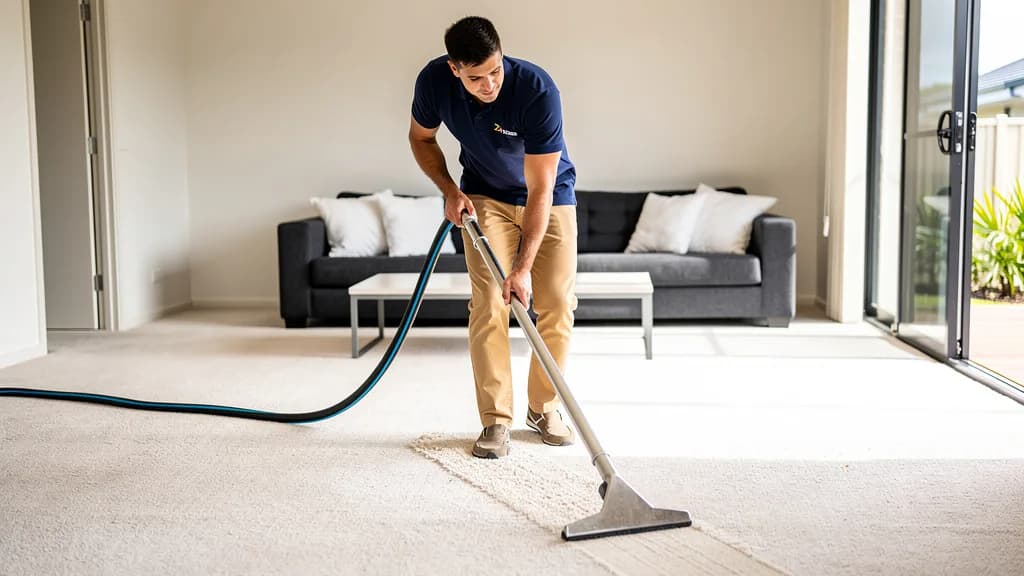
A rug and a carpet are not cleaned the same way. Rugs (particularly wool, hand-knotted and natural-fibre types) have specific vulnerabilities that standard carpet cleaning equipment and chemistry can damage permanently. Getting the method right depends on understanding what the rug is made of, how it was constructed, and whether its dyes are stable.
Why rug cleaning is different from carpet cleaning
Wall-to-wall carpet is fixed, typically synthetic or wool-blend, and cleaned in place with hot-water extraction or dry methods. A rug is a movable object, often with a different construction (hand-knotted, tufted, flatweave, looped) and a much wider range of fibre types and dye sensitivities. The risks of incorrect rug cleaning include dye bleeding (particularly in hand-knotted rugs with natural dyes), shrinkage (wool and natural fibres under high heat or saturation), and pile damage (incorrect brushing direction or chemical mismatch).
Rug types and recommended cleaning methods
| Rug type | Fibre | Recommended method | Key risks to avoid |
|---|---|---|---|
| Synthetic (polypropylene, nylon) | Man-made | Hot-water extraction, in-home or plant | Generally low-risk; check for face-yarn shedding before extraction |
| Wool flatweave (kilim, dhurrie) | Wool | Gentle plant clean or in-home dry method | Shrinkage from over-saturation; dye bleed on natural-dyed kilims |
| Hand-tufted wool | Wool + latex backing | Dry or low-moisture plant clean | Latex backing dissolves with saturation; delamination risk |
| Hand-knotted (Persian, Oriental) | Wool, silk, cotton | Specialist plant clean | Dye bleed if not colour-fast tested; pile distortion from wrong chemistry |
| Jute, sisal, seagrass | Natural plant fibre | Dry method only: NO water | Brown water-staining and structural damage from any moisture |
| Silk or silk-blend | Silk | Specialist plant clean only | Irreversible fibre damage from alkaline cleaners; colour loss |
| Vintage or antique | Various (often fragile) | Specialist assessment first | Structural damage, colour loss; no standard method applies |
In-home cleaning vs off-site plant cleaning
Most synthetic and lower-value rugs can be cleaned effectively in the home using the same extraction equipment and methods used for wall-to-wall carpet. For wool, hand-knotted, natural-fibre or high-value rugs, off-site plant cleaning is usually the better option.
- In-home cleaning advantages: convenient, no transport, usually faster. Best for synthetic and robust wool rugs that aren't high-value pieces.
- Plant cleaning advantages: the rug is inspected, pre-treated and cleaned at a purpose-built facility with controlled drying. The controlled environment reduces shrinkage and dye-bleed risk. Best for Persian, Oriental, silk, vintage and high-value rugs.
- Pick-up and delivery: some specialists offer collection and return: the rug is assessed at the facility, cleaned, and returned once fully dry.
The colour-fast test
Before any wet cleaning method, ask the cleaner to test the rug's colour-fastness: pressing a damp white cloth to a corner and checking for dye transfer. If colour comes off, only dry methods are safe. Skipping this test on a hand-knotted rug with natural dyes is a common source of irreversible dye bleed damage.
How much does rug cleaning cost in Sutherland Shire?
Rug cleaning is usually priced by rug size, and the price also varies by fibre type and method. Indicative 2026 ranges are below: each independent cleaner sets their own price. The Sutherland Shire cleaning costs guide lists ranges for every service.
| Rug size | Indicative 2026 range |
|---|---|
| Small (under 3 m²) | $60–$100 |
| Medium (3–6 m²) | $100–$170 |
| Large (6–12 m²) | $160–$270 |
| Extra large (12+ m²) | $250–$420 |
Common rug problems and whether they're fixable
- Pet urine odour: enzymatic pre-treatment can significantly reduce odour. Results depend on how deeply the urine has penetrated into the rug's foundation. The cleaner will assess how many layers are affected before quoting.
- Set-in food or drink stains: many set-in stains can be improved or removed with the right chemistry. On natural-dyed hand-knotted rugs, some treatment options are limited by dye sensitivity. Ask for an honest assessment before starting.
- Moth damage: moth larvae eat wool pile from the foundation up, leaving bare patches. The damage is permanent but the active infestation can be treated. Moth treatment should be addressed before cleaning, not after.
- Colour bleeding between sections: common on hand-knotted rugs with unstable natural dyes or on rugs that have been previously wet-cleaned incorrectly. In mild cases, specialist treatment can stabilise further bleeding but cannot reverse existing damage.
- Faded areas from sun exposure: not a cleaning problem. UV-caused colour fade is structural and cannot be restored by cleaning.
Find a local cleaner in the Sutherland Shire
In the Sutherland Shire? We know your time matters. Leave your enquiry with us and we'll make it our priority to get you a quote from a local cleaner.
Find a local rug cleanerThis site matches enquiries with independent local carpet cleaners. We do not employ cleaners directly.
Get a Shire quote
In the Sutherland Shire? We help you get a quote from a local cleaner. They quote you directly.
Frequently asked
Can a Persian or Oriental rug be cleaned at home?
It can, but it carries higher risk than off-site plant cleaning. Hand-knotted rugs with natural dyes should always be colour-fast tested first. For valuable or fragile pieces, plant cleaning with pick-up and delivery is the safer option.
My wool rug shrank last time it was cleaned: why?
Wool shrinks when exposed to excess moisture or heat. The most common cause is over-saturation during in-home hot-water extraction cleaning, or insufficient controlled drying after a wet clean. For wool rugs, low-moisture methods or specialist plant cleaning with controlled drying reduce this risk significantly.
How long does it take for a rug to dry after cleaning?
In-home cleaned rugs typically dry in 4–8 hours, depending on ventilation and weather. Off-site plant cleaning takes longer, because the rug is collected, cleaned and dried at the facility: the cleaner will give a timeframe based on the fibre type and method used.
How often should rugs be professionally cleaned?
Rugs in high-traffic areas, or homes with pets or young children, benefit from annual professional cleaning. Rugs used in low-traffic areas (bedrooms, under furniture) every 2–3 years. High-value or antique rugs should be assessed annually even if not cleaned each year.
Can I machine wash a small rug at home?
Only if the care label explicitly says so, and only for synthetic small rugs. Most wool, natural-fibre and hand-knotted rugs should not be machine-washed: the agitation and heat cause shrinkage, dye bleed and backing damage. When in doubt, consult a specialist rather than risk a rug that may be irreplaceable.