
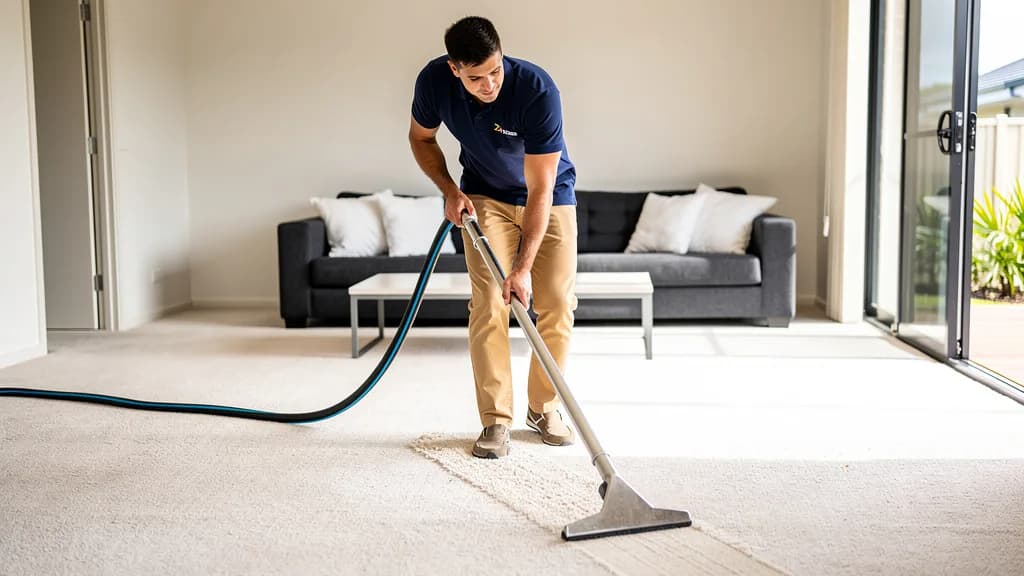
The cleaning method that works perfectly on synthetic carpet can permanently damage wool. Wool is a protein fibre. It responds to chemistry and heat differently than nylon, polyester, or polypropylene, all of which are synthetic petroleum-derived fibres. Getting this wrong can result in permanent shrinkage, fibre distortion, colour bleed, or browning that no further cleaning can reverse.
How wool differs from synthetic carpet
Wool is keratin: the same protein that makes up human hair. Like hair, it has a scaly outer structure (the cuticle) that opens under heat and alkali conditions. When this happens, wool fibres mat, shrink, and lose their crimp: the spring that gives wool carpet its characteristic resilience underfoot. This process is called felting, and it's irreversible.
| Property | Wool | Nylon | Polypropylene (PP) | Polyester (PET) |
|---|---|---|---|---|
| Heat sensitivity | High: avoid above 40°C water | Low | Low | Low |
| Alkali sensitivity | High: damages protein structure | Moderate | Low | Low |
| Acid sensitivity | Low (tolerates mild acid) | Low | Low | Low |
| Recommended pH | 4.5–8.0 (neutral to mildly acidic) | 5.0–10.0 | 5.0–10.0 | 5.0–10.0 |
| Shrink risk | High if over-wetted | None | None | None |
| Colour stability | Variable: dye-lot sensitive | Generally stable | High | High |
| Soil hiding | Excellent | Good | Moderate | Moderate |
What can go wrong with wool carpet
- Shrinkage and pile distortion. High-temperature water (above 40–45°C) combined with agitation causes wool to felt: fibres shrink and mat together. Once felted, the carpet cannot be restored.
- Browning. Over-wetting wool causes tannins (natural compounds in the fibre) to wick to the surface as the carpet dries, leaving yellowy-brown discolouration. This can fade but is difficult to fully remove.
- Colour bleed. Wool dyes are less wash-fast than synthetic dyes. Alkaline cleaners or over-wetting can cause dye migration, particularly on multicolour or patterned wool carpet.
- Pile crush. Aggressive agitation with rotating brushes damages wool pile. Wool should be cleaned with low-agitation methods.
The right cleaning method for wool carpet
Hot-water extraction is safe for wool carpet, but only with the right settings. The water temperature must be controlled (below 40°C for the extraction water), pH-neutral or mildly acidic chemistry must be used, and the cleaning pass must minimise dwell time on the carpet to avoid over-wetting. A cleaner experienced with wool will also use less water overall and ensure adequate ventilation for drying.
What to tell your carpet cleaner
Always confirm your carpet type with the cleaner before they arrive. For wool or wool-blend carpets, confirm: (1) low-temperature extraction (below 40°C), (2) pH-neutral or wool-safe chemistry (pH 4.5–8.0), (3) no rotary or bonnet agitation, (4) adequate dry-out time. A cleaner who doesn't ask about carpet type before quoting is a warning sign.
Dry cleaning methods (encapsulation, absorbent compound) are also suitable for wool carpet and eliminate the shrinkage and browning risks entirely, at the cost of less deep extraction. For surface maintenance cleaning, dry methods are a reasonable choice for wool. For heavy soiling or end-of-lease cleaning where a full deep clean is needed, properly controlled low-temperature wet extraction is generally preferred.
How to identify your carpet type
- Check the label or the manufacturer documentation from installation. This is the most reliable source.
- Burn test (do not do this on the carpet). Snip a small fibre from a hidden area, under furniture or in a corner. Wool chars and smells like burnt hair; synthetics melt and smell like plastic.
- Feel test. Wool has a natural slight scratchiness and spring; polypropylene often feels softer and slightly plasticky; nylon has a very consistent, smooth fibre texture.
- Price and age. Wool carpet is significantly more expensive than synthetic. If the carpet in a home was fitted 20+ years ago when wool was the standard residential option, it may be wool even if the current occupant doesn't know.
Wool-blend carpets
Many carpets labelled as "wool" are actually wool-synthetic blends, typically 80% wool and 20% nylon (the nylon adds durability). These should be treated as wool for cleaning purposes: the wool component still requires pH-neutral chemistry and low temperatures. A common percentage is 80/20; anything above 50% wool content warrants wool-safe handling.
Does the cleaning method affect stain resistance treatment?
Wool carpet does not typically have a factory-applied stain resistance treatment (unlike many synthetics). It relies instead on the natural crimp and scale structure of the fibre, which tends to release dry soil well. Some wool carpets are treated with a fluorochemical protector post-installation. If yours is, ask your cleaner to apply a wool-safe reapplication treatment after cleaning.
Get a Shire quote
In the Sutherland Shire? We help you get a quote from a local cleaner. They quote you directly.
Frequently asked
Can wool carpet be steam cleaned?
Yes, but with important caveats: water temperature must be kept below 40°C, pH-neutral or wool-safe chemistry must be used, and agitation must be minimal. High-temperature steam (above 100°C) or hot extraction water will cause wool fibres to felt and shrink: permanent damage. Always confirm your carpet is wool and that the cleaner uses a wool-safe method before you arrange the clean.
What cleaning method is safest for wool carpet?
Low-temperature hot-water extraction using pH-neutral chemistry is appropriate for most wool carpets. Dry cleaning methods (encapsulation or absorbent compound) are also suitable and eliminate shrinkage risk entirely, though they provide less deep extraction. The right choice depends on soil level. Dry methods suit regular maintenance, wet extraction suits heavily soiled wool.
Why is my wool carpet browning after cleaning?
Browning after cleaning is usually caused by over-wetting. Natural tannins in wool fibres wick to the surface as the carpet dries. Mild browning often fades as the carpet fully dries; more significant browning can be reduced with a mildly acidic rinse. To avoid it, minimise water use during cleaning and ensure fast, thorough drying with good ventilation.
Can you use a standard carpet cleaner on wool?
Not without checking the pH. Standard household carpet cleaners are typically alkaline (pH 9–11) to break down oils and grease. This range damages wool protein fibres, especially under heat. Use only products specifically labelled as wool-safe or pH-neutral (pH 4.5–8.0). If in doubt, contact the carpet or cleaner manufacturer.
How do I know if my carpet is wool or synthetic?
Check the installation documentation or manufacturer label. This is the most reliable method. If that's not available, a burn test on a hidden fibre sample works: wool chars and smells like burnt hair, synthetics melt and smell like plastic. For professional confirmation, a cleaner experienced with wool can usually identify fibre type visually and by touch.