
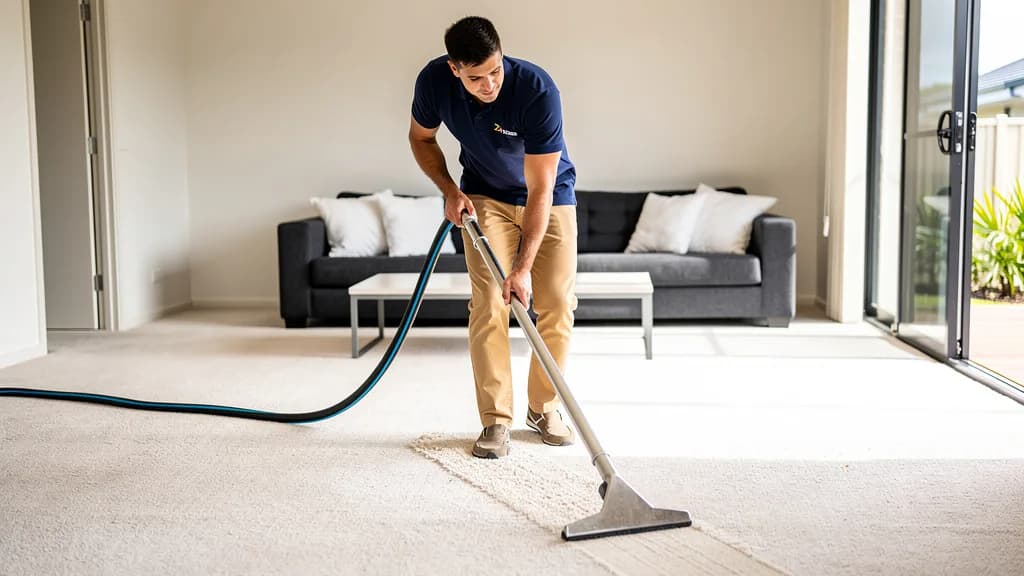
Carpet in a childcare centre is in contact with infants and toddlers: crawling children, napping children, children eating on the floor. The hygiene requirements are categorically different from residential carpet cleaning, and the regulatory obligations under the National Quality Standard mean that cleaning records and chemical safety are not optional. This guide covers what childcare operators in Sutherland Shire need to know.
Regulatory framework: what ACECQA requires
The Australian Children's Education and Care Quality Authority (ACECQA) administers the National Quality Standard (NQS) under the Education and Care Services National Law. Quality Area 2 (Children's Health and Safety) requires that services maintain safe, hygienic premises. While the NQS does not prescribe specific carpet cleaning frequencies or methods, it helps to keep documented cleaning routines, chemical safety data sheets for any products used, and evidence that cleaning is carried out in a way that is safe for children.
Documentation is as important as the clean itself
Written records matter, not just the physical state of the premises. Keep comprehensive cleaning records, product SDS sheets on file, and staff sign-off logs. Ask your professional carpet cleaning provider for a detailed tax invoice with date, service address, method, and products used, and keep it with your compliance records.
Carpet vs. hard floor in childcare: the practical reality
Many childcare centres use hard flooring throughout for ease of cleaning, but carpet is still used in nap rooms, reading corners, and quiet activity areas. Carpet provides acoustic dampening (important in a room full of children), cushioning for falls, and warmth underfoot: all meaningful benefits in a childcare environment.
For centres with carpet, the maintenance burden is higher than hard floor but manageable with the right routine. The key is using appropriate chemistry and frequency rather than treating it like a residential clean.
Recommended cleaning frequency for childcare carpet
| Area | Daily cleaning | Professional extraction frequency |
|---|---|---|
| Main activity areas (crawling/play) | Vacuum with HEPA vacuum at end of session | Monthly or every 6–8 weeks minimum |
| Nap / sleep rooms | Vacuum between sessions; spot-treat as needed | Every 4–6 weeks; more frequently if any illness outbreak |
| Entry and transition areas | Vacuum twice daily during operational hours | Monthly: highest soil load |
| Reading corners / quiet areas | Vacuum daily | Every 6–8 weeks with the main cleaning routine |
| After illness incident | Immediate spot treatment; isolate area if needed | Professional clean within 48 hours when biological contamination involved |
Chemistry requirements: what is safe around children
Standard carpet cleaning products used in residential settings are not automatically appropriate for use in childcare. Products must be:
- Low-VOC (volatile organic compounds): products that off-gas chemical fumes after application can cause respiratory irritation; low-VOC or VOC-free products are required in enclosed spaces where children will be present
- Non-toxic when dry: pre-spray chemistry must fully neutralise or break down to safe compounds once the carpet has dried
- pH-neutral or close to neutral: aggressive acidic or alkaline chemistries leave residue that can irritate children's skin on contact
- No formaldehyde or phthalate-based components: these are common in some low-cost cleaning products and are classified as hazardous for prolonged exposure
Ask your carpet cleaning provider for the Safety Data Sheets (SDS) for every product they will use before the service. An operator experienced with childcare environments will have these ready and will be able to confirm the safe re-entry time for children after cleaning.
Safe re-entry times: planning around operations
Professional hot water extraction typically leaves carpet damp for 4–12 hours, depending on ventilation and weather. Children should not return to a freshly cleaned carpet until it is fully dry, both for safety (slip risk on damp pile) and because some cleaning chemistry requires full drying before the surface is safe for contact. Allow at least 4 hours after professional extraction with enhanced ventilation; 8 hours is a conservative minimum for crawling infants.
For operational continuity, carpet cleaning is best done outside operational hours (after close on a Friday, or over a weekend) so the carpet has overnight drying time before the centre opens. Evening cleaning with windows open and fans running helps.
Nap room carpet: elevated allergen standards
Children sleep on nap room carpet, bringing their faces into close contact with the pile surface and whatever is embedded in it. Dust mite allergens, pet dander from children's home environments tracked in on clothing, and biological matter from any illness must be addressed more frequently in nap rooms than in activity areas. For nap rooms specifically:
- Professional hot water extraction every 4 weeks at minimum during peak enrolment
- HEPA vacuum between sessions: standard vacuums redistribute allergens into the breathing zone
- No pets or animals in or near nap rooms
- An air purifier with HEPA filter running during nap time reduces airborne allergens
- Steam treatment of nap mats and sleeping surfaces between uses (separate from carpet cleaning)
What to look for in a childcare carpet cleaning provider
- Experience with childcare or educational facilities (ask directly)
- Ability to provide SDS sheets for all products before you arrange the clean
- Uses low-VOC, non-toxic chemistry as standard for child-contact environments
- Issues a detailed tax invoice recording date, address, method, products, and areas cleaned
- Can work outside operational hours without significant premium
- Insured for commercial work (not just residential)
Find a local cleaner in the Sutherland Shire
In the Sutherland Shire? We know your time matters. Leave your enquiry with us and we'll make it our priority to get you a quote from a local cleaner.
Get a local quoteThis site matches enquiries with independent local carpet cleaners. We do not employ cleaners directly.
Get a Shire quote
In the Sutherland Shire? We help you get a quote from a local cleaner. They quote you directly.
Frequently asked
How often should carpet be cleaned in a childcare centre?
Main activity areas and entries: monthly professional hot water extraction at minimum. Nap rooms: every 4 weeks during peak enrolment. After any illness outbreak involving vomiting or diarrhoea: professional extraction within 48 hours is recommended regardless of the usual routine. Daily HEPA vacuuming should occur in all carpeted areas throughout the week.
What carpet cleaning products are safe for childcare?
Products labelled as low-VOC, non-toxic when dry, and pH-neutral are the appropriate standard for childcare environments. Ask your provider for Safety Data Sheets for all chemistry they plan to use. Avoid products containing formaldehyde, phthalates, or high concentrations of fragrances. These are respiratory irritants that are particularly problematic in enclosed spaces with young children.
How long after carpet cleaning can children return to childcare?
A minimum of 4 hours after professional hot water extraction, with enhanced ventilation (windows open, fans running) throughout the drying period. 8 hours is a conservative minimum for rooms where infants will be crawling or in close contact with the carpet surface. Plan cleaning for after operational close, with overnight drying where possible.
Do I need to keep records of carpet cleaning for ACECQA?
It's good practice. Quality Area 2 of the National Quality Standard covers children's health and safety, including hygiene, and documented cleaning records help show how you manage it. Keep the tax invoice from each professional clean on file (it should include the date, address, services performed, and products used) alongside your regular cleaning records and chemical SDS records.